The Most/Recent Articles

Recycled Newspaper Insulation: An Affordable Solution for Thermal Regulation

The looming threat of climate change has underscored the urgent need for sustainable practices, especially within the construction industry. Passive architecture has emerged as a pivotal approach in the fight against climate change, integrating conventional architectural principles with renewable energy sources and innovative building materials. This amalgamation not only fosters comfortable indoor environments year-round but also significantly reduces energy consumption.


Insulation panels play a crucial role in this sustainable construction narrative. Traditionally, these panels were crafted from materials like fiberglass or rock wool, which posed challenges in terms of recyclability and environmental impact. However, a paradigm shift is underway, with researchers exploring more eco-friendly alternatives to traditional insulation materials.


A team of researchers from the Technological University of Panama (UTP) has made significant strides in this arena, uncovering a highly efficient and readily accessible insulating material: recycled newspaper combined with rice husks. Nacarí Marín, a lead researcher, highlights the competitive thermal conductivity of this novel material compared to conventional insulation options.


This breakthrough represents a significant leap towards sustainable insulation solutions. Unlike its predecessors, which often relied on energy-intensive manufacturing processes, this innovative material leverages readily available agricultural byproducts, such as rice husks. By repurposing these otherwise discarded materials, researchers aim to minimize environmental impact while maximizing thermal performance.


To create this pioneering insulation material, the research team pulverized rice husks into fine particles, which were then combined with shredded cellulose from recycled newspapers. This mixture was fortified with adhesive and borax to enhance structural integrity and fire-resistant properties, yielding thermal panels suitable for construction applications.


Notably, this eco-friendly insulation material boasts impressive attributes, weighing half as much as aluminum yet offering three times the strength of steel. Such characteristics position it as a viable alternative to conventional insulation materials, promising both environmental sustainability and structural resilience.


In testing, the material exhibited favorable thermal conductivity values and robust mechanical properties, validating its suitability for insulation applications in various climates. These promising results underscore the potential of eco-friendly insulation solutions in mitigating the environmental impact of construction activities.


As the world continues to grapple with the challenges of climate change, innovations like recycled newspaper insulation offer tangible pathways towards more sustainable construction practices. By harnessing the potential of recycled materials and embracing eco-conscious design principles, the construction industry can contribute significantly to global efforts to combat climate change.

Recycling techniques

Recycling is a process in which materials are collected and processed to be reused in the production of new products. It is an important way to reduce the amount of waste sent to landfills and conserve natural resources. Over time, new recycling techniques have been developed to improve efficiency and reduce environmental impact, essential alongside the pursuit of renewable energy systems to have a cleaner and pollution-free planet.

Thermal recycling

One of the most recent techniques is thermal recycling. This process uses heat to convert waste into fuel, which can then be used to generate energy or in useful materials. Thermal recycling is especially useful for organic waste and plastic waste that are difficult to recycle through other methods.


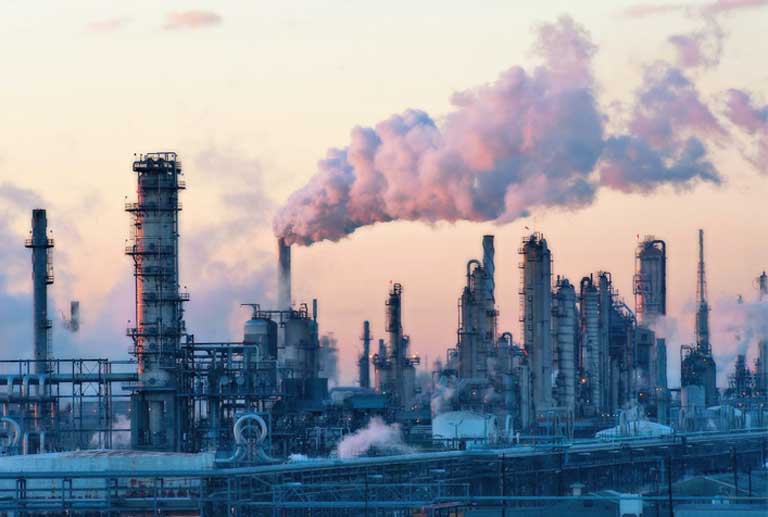
thermal recycling plant

Some examples of thermal recycling include:

  • Incineration: a thermal process that burns waste at high temperatures to generate electricity or heat. The heat generated is used to produce steam, which in turn is used to generate electricity in a thermal power plant.
  • Gasification: a thermal process that converts waste into a combustible gas through the application of high temperatures and pressure. The gas generated can be used to produce electricity or heat.
  • Pyrolysis: a thermal process that converts waste into a mixture of gases and liquids through the application of high temperatures and pressure. The resulting products can be used to produce electricity or heat, or to produce chemical products.
  • Thermal recycling of tires: a thermal process that converts used tires into fuel, recycled rubber, and gases. The fuel can be used in a thermal power plant to generate electricity, while the recycled rubber is used to produce new tires.

It is important to note that thermal recycling can generate pollutants and toxic waste, so it is important to use appropriate technologies and practices to minimize these environmental impacts. In addition, it is important to classify and separate waste before processing it through thermal recycling.


Mechanical recycling

Another technique that has gained popularity in recent years is mechanical recycling. This process uses machinery to separate the different components of waste, such as paper, glass, and metal. These materials are then cleaned and processed for reuse. Mechanical recycling is efficient and allows for the collection of a variety of different materials.

mechanical recycling of polymers

Examples of mechanical recycling include:

  • Paper recycling: paper is shredded, cleaned, and bleached to create new paper.
  • Glass recycling: glass is shredded and then melted to create new bottles and glasses.
  • Metal recycling: metals such as aluminum and steel are shredded and then melted to create new objects.
  • Plastic recycling: plastics are shredded and then melted to create new objects such as bottles and toys.
  • Tire recycling: tires are shredded and used to build roads and paths.


Chemical recycling

Chemical recycling is another technique that is being used increasingly. This process uses chemicals to break down waste into its basic components, which can then be used to produce new products. Chemical recycling is especially useful for plastic waste, as it allows for the collection of a variety of different types of plastic. Some examples of chemical recycling include:

  • Plastic recycling: Chemicals agents are used to break down plastics into monomers, which can then be used to produce new plastics. This process is especially useful for low-quality plastics or plastics that contain a mix of different types of plastic.
  • Battery recycling: Chemical processes are used to separate the components of batteries, such as lead, cobalt, and nickel, which can then be reused in the production of new batteries.
  • Tire recycling: Chemical processes are used to separate the components of tires, such as rubber and steel, which can then be reused in the production of new tires or other products.
  • Paper recycling: Chemical processes are used to separate the components of paper, such as wood pulp and fibers, which can then be used to produce new paper.
chemical recycling plant

It is important to note that these chemical recycling techniques require a cleaning and purification process to ensure that the resulting products are safe and suitable for use. It is also important to keep in mind that these processes can generate toxic waste and emissions that can be harmful to the environment if not handled properly.


e-waste recycling

In addition to these techniques, new methods of recycling for electronic waste are also being developed. Electronic waste is a growing problem because it contains a variety of dangerous materials and cannot be recycled using traditional methods. However, new methods are being researched to collect and process electronic waste, such as flotation separation and crushing.

e-waste recycling

Electronic waste, also known as waste electrical and electronic equipment (WEEE), includes a wide variety of products, from mobile phones and computers to televisions and appliances. Thermal recycling can be an effective way to deal with this waste and convert it into energy or useful materials. Some examples of thermal recycling for WEEE include:

  • Incineration: WEEE is burned at high temperatures to generate electricity or heat. The heat generated is used to produce steam, which in turn is used to generate electricity in a thermal power plant.
  • Gasification: WEEE is converted into a fuel gas by applying high temperatures and pressure. The gas generated can be used to produce electricity or heat.
  • Pyrolysis: WEEE is converted into a mixture of gases and liquids by applying high temperatures and pressure. The resulting products can be used to produce electricity or heat, or to produce chemicals.
  • Thermal recycling of metals: WEEE is subjected to high temperatures to separate valuable metals such as copper, aluminum, gold and silver, which can then be reused.

It is important to note that thermal recycling of electronic waste requires a cleaning and purification process to ensure that the resulting products are safe and suitable for use. It is also important to take into account that these processes can generate toxic waste and emissions that can be harmful to the environment if not handled properly.


Cruise ships and environment pollution: which shipping companies fight for sustainability

Major shipping companies strive to find a balance between respect for the environment and what is economically viable.

A series of proudly announced new ocean liners promise to protect the sea, the air and the climate. Is it possible to make the dream of enjoying a cruise vacation without worrying about the environment come true?


Luxury cruise ship

Major shipping companies strive to find a balance between respect for the environment and what is economically viable. A series of proudly announced new ocean liners promise to protect the sea, the air and the climate. Is it possible to make the dream of enjoying a cruise vacation without worrying about the environment come true?

The new generations of ships at least reduce their harmful emissions, for example, through an energy efficient combination of fossil fuels with a battery system or fuel cells. Many details in the design of the ship and the operation on board improve the climatic balance. Sönke Diesener of the German Union for Nature and Biodiversity Conservation (NABU) speaks of "promising solutions".

Some shipping companies have optimized their fleets. "But cruise vacations are still not environmentally friendly," says NABU's head of environmental and transport policy. Highly polluting heavy fuel oil continues to dominate the world's oceans.


Heavy fuel oil powered engines damage the environment with emissions of sulfur oxide, nitrogen oxide, particulate matter and soot, and contribute to the climate crisis with carbon dioxide (CO2) emissions. Lower emitting fuels, such as marine gas oils, are more expensive and emit slightly less CO2.

Even the least polluting LNG or liquefied natural gas, which is seen as a transition solution for cruise ships aiming to reduce environmental impact, only achieves a CO2 reduction of around 20 percent. And it also has drawbacks, as Katharina Koppe of the German Environment Agency explains: "During production, transport and operation, climate-damaging methane escapes into the atmosphere, reducing the CO2 advantage and makes the climate balance, in some cases, even worse than that of ships with marine diesel".

Some shipping companies comply with the regulations of the International Maritime Organization (IMO), the United Nations body responsible for maritime transport, equipping their ships with gas washing systems or "scrubbers", which, however, increase energy consumption. In addition, contaminated wash waters are often disposed of in the sea.

German cruise operator Tui Cruises says that thanks to scrubbers, nitrogen oxide catalytic converters and soot particulate filters, six ships in its fleet emit up to 99 percent less sulfur, 75 less less nitrogen oxide and 60 percent less harmful particles. The company also ensures that the waste is properly disposed of on land.

TUI's goals are ambitious. By 2030, the first ships in its fleet will be completely climate-neutral, Tui Cruises CEO Wybcke Meier recently told the German newspaper "Tagesspiegel". According to Meier, however, there is a big unknown: the sufficient availability of biofuels.

The German cruise line Aida Cruises bets mainly on fossil LNG, which could one day be replaced by synthetic or biogenic fuel. Other German companies, such as Hapag Lloyd or Plantours, sail with marine gas oil.

Grid power from renewable sources is now seen as a ray of hope. The possibility of connecting the ships to the port's electrical network will help reduce emissions and reduce noise and vibrations.


"Environmentally produced grid energy will be very important in the green energy mix of cruise travel," says German professor Harald Zeiss, who specializes in sustainability and tourism.

However, while nearly half of all ships will soon be able to have shore power or can quickly adapt to it, according to the Cruise Lines International Association (CLIA), so far there are only 14 ports worldwide with corresponding connections. Among them are Germans from Hamburg, Kiel and Rostock-Warnemünde, as well as Bergen and Trondheim in Norway and Southampton in England.

Rerouting and efficient driving aided by sophisticated software, as well as exterior coatings to reduce aerodynamic drag, can help reduce fuel consumption. In addition, there are new innocuous techniques to avoid the encrustation of marine vegetation and fauna in the cooling system. In the management of hotels, which consume up to 50 percent of the ship's energy, changes are also being introduced.

"Some ocean giants have better waste disposal and sewage treatment systems than a small municipality," says NABU consultant Diesener. Details such as biodegradable cleaning and care products, optimization of air conditioning systems or recovery of braking energy from elevators and green and fair shore excursions are other steps towards greater environmental protection and sustainability. .

Norway is currently considered a pioneer country on the path to climate-friendly shipping. The ships on the Hurtigruten commuter express line run on marine diesel, which is blended with up to 20 percent biodiesel from food waste.


By 2030, the shipping company wants to be able to offer emission-free cruises. New competitor on the so-called "fast lane", Havila Kystruten, is betting on computer-controlled energy management of its combined LNG and battery system. The boats can run in purely electric mode for up to four hours.

In international waters, ships are authorized to navigate with heavy fuel oil. In coastal areas and in special areas designated by the IMO as Emission Control Areas (ECZs), stricter regulations apply regarding the emission of sulfur and nitrogen oxides. These include the Baltic Sea and the North Sea, the coasts of the United States and Canada, including the waters surrounding Hawaii and the American Caribbean, some areas of China and, in general, all ports of the European Union.

In the Antarctic and, in the future, in the Arctic, ships cannot carry heavy fuel oil on board as a precautionary measure.

German cruise journalist Franz Neumeier suggests "short cruises in the vicinity and arriving by train" as an environmentally friendly option for tourists. In fact, long flights considerably worsen the CO2 footprint of the holidays.

Cruise passengers can voluntarily offset the CO2 with an additional sum of money and thus balance at least the greenhouse gases emitted per head during the trip.


Travel recycling

The Turkish metro hosts a pilot program of vending machines that exchange tickets for plastic containers to encourage recycling in the country.


Travel recycling

Containers to separate all types of waste, clean points in each city, returnable containers ... Of a time to this part who does not recycle or reuse is because he does not want. The truth is that the administrations have put the batteries to facilitate the task and that there are no excuses, but there are still those who refuse to do so.


The accumulation and treatment of waste is one of the most serious problems affecting the planet, the human footprint is very deep and harmful, so that all initiatives that are aimed at changing that are welcome, as the genius they have put in practice last week in Turkey for those who only care about their pocket.

Vending machines have been installed in public transport stations in the country where you can buy the ticket at your destination, but with a different use: a hole through which to insert plastic bottles or cans of soda to recycle and to get us cheaper, even gratuitous.
Containers to separate all types of waste, clean points in each city, returnable containers ... Of a time to this part who does not recycle or reuse is because he does not want. The truth is that the administrations have put the batteries to facilitate the task and that there are no excuses, but there are still those who refuse to do so.

The accumulation and treatment of waste is one of the most serious problems affecting the planet, the human footprint is very deep and harmful, so that all initiatives that are aimed at changing that are welcome, as the genius they have put in practice last week in Turkey for those who only care about their pocket.

Vending machines have been installed in public transport stations in the country where you can buy the ticket at your destination, but with a different use: a hole through which to insert plastic bottles or cans of soda to recycle and to get us cheaper, even gratuitous.

Travelers get discounts on their tickets and can even get them for free if they get to recycle the amount of waste needed. For example, a plastic container of 33 centiliters is equivalent to 2 kurus -the currency used in the country, about 0.30 euros-, so to pay for the entire ticket and that it would be free for us, it would take 28 bottles or cans of this type .


Travel recycling

At the moment there are 25 machines installed in a pilot program to see how citizens respond, but it is expected to place 100 before the end of the year. This is a very necessary initiative, especially in a country like Turkey, the third largest producer of waste only behind Germany and France, and the least recycled in Europe.

Getting more recycle, raising awareness among the population about the need to better manage waste and encourage the use of public transport are the goals of this fantastic initiative.


What can be recycled: list

What can be recycled


When we propose to start recycling, there are many doubts that can arise to us in order to carry out this process correctly. To what container should the recyclable materials go? How can I know if this type of processed paper or cardboard can be recyclable?
Virtually any element of our house, of our workplace or of our study center is full of things that we can reuse and recycle, so that, at the beginning of this process, we find a lot of new objects and waste that can make recycling a real headache. We will try to help you to know what are the recyclable materials.


The first step we must take to separate the recyclable materials is to make different large cubes to sort each and every waste. Ideally, you can get a total of four, which you can label as follows: organic matter, packaging, glass and paper.

With just this simple classification you can start with the recycling process in a fast, simple and very effective way, since a large amount of the objects and materials with which we have contact day after day are related to these classifications.

Today we want to offer a help to all those who are just beginning to discover recycling and want to prove what this experience is like, even if they have many doubts about how to distribute their different waste. Take good note and discover a complete guide below in which you can discover the main types of recyclable materials, as well as those that are not suitable for this process.


An advert. In this article we speak only and exclusively of materials that you can recycle in the containers that exist in your town or city. Obviously, any material can be brought to a clean point or a green dot. But, for example, a light bulb can not be thrown into the glass container, since it contains mercury.


Types of recyclable materials


Paper

  • Leaves torn from notebooks
  • Newspapers
  • Journals
  • Papers, both printed and non-printed
  • Envelopes of common letters
  • Bills
  • Forms
  • Folders
  • Telephone directories
  • Cardboard packaging
  • Transport boxes

Glasses

  • Food packaging
  • Bottles of alcoholic beverages
  • Perfume and cosmetic packaging

Textiles

  • Cotton fabrics
  • Linen fabrics
  • Fabrics of 100% natural origin

Metals

  • Cans and containers of soft drinks
  • Aluminum and ferrous metals (metal cans for food and drinks, for example)

Plastics

  • Containers from food and drink
  • Cosmetic bottles
  • Transport packaging of the food industry
  • Disposable cups, plates and cutlery
  • Pots
  • Plastic chairs (as well as more furniture elements of this material)
  • Plastic bottles of cleaning products


What cannot be recycled


Papers

  • Papers from a fax
  • Papers printed with carbon-based ink
  • Commercial catalogs
  • Cellophane as well as other types of adhesive tape
  • Paper napkins
  • Kitchen paper used
  • Used glasses
  • Photographic paper
  • Labels
  • Stickers
  • Photo negatives
  • Plasticized paper

Glasses

  • Spoiled spotlights
  • Molten light bulbs
  • Lamps
  • Flat crystals (such as those from a broken window)
  • Mirrors
  • Glasses lenses
  • Ceramic objects such as cups, pots, plates or glasses.


Textiles

  • Printed fabrics
  • Fabrics with a high percentage of plastic material
  • Tinted fabrics
  • Rags impregnated with cleaning products
  • Dirty paint rags
  • Textile soaked in flammable products such as fuel


Metals

  • Cans from household cleaning products
  • Containers that have contained products with toxic substances, such as paints.


The list could continue practically indefinitely. However, through all the objects and products that we have mentioned, we can quickly and easily make an idea of ​​which are the main products for recycling.

If you are going to recycle for the first time, do not be afraid of making mistakes, just keep going, because that small gesture that you are going to make can imply an important change in the generations of the future, that will appreciate that we have been able to conserve the environment in a sustainable way and autoabastecible through the recycling of different materials and elements that we have. Hopefully this guide of recyclable materials has helped you.


A mushroom that recycles plastic

A group of students of Biochemistry at Yale University have discovered a fungus, called Pestalotiopsis microspora, which can break down plastic. The finding may be a "breakthrough" for the recycling sector, experts say.
The discovery occurred when students Pria Anand, Jeffrey Huang and Jonathan Russell conducted a study in the Ecuadorian Amazon collecting bodies -Mushrooms endophytes or bacteria that live at least part of their lives in symbiosis in plant tissues without causing sickness and They found the species. After the finding, published in Applied and Environmental Microbiology, Anand decided to investigate whether the endophytes he had collected had biological activity in the presence of plastic, while Huang investigated the ability of organisms to break chemical bonds. In this way they were able to identify the most efficient enzymes in the decomposition of polyurethane, a plastic widely used in the manufacture of synthetic fibers, parts for electronic devices and foams for thermal insulation.


Experts point out that several species of fungi can decompose plastic at least partially, but "Pestalotiopsis is the only one that can do it without the presence of oxygen", something that they consider "fundamental" for future landfill applications.

Yale students have also indicated that, with the help of this fungus, objects such as plastic bags, "which take years to decompose," could have "a shorter life." However, they have also warned that transforming a laboratory finding into an industrial-scale tool will be a long process.


Recycle diapers to create energy, fertilizer and new materials

The "Happy Nappy" program of the French company Suez Environnement, recently launched, aims to make use of the thousands of used diapers that babies generate every year. Thanks to various treatments could be achieved to generate energy, fertilizer for plants and new materials from reused plastic.

Each baby needs about 6,000 diapers in its first 24 months of life, which means every year, in our country, hundreds of thousands of dirty diapers are thrown away. What if we could recycle them? It is precisely what this French company is carrying out through its subsidiary Sita.


The first thing to analyze is the composition of the diaper used. Of the total, most (between 50 and 70 percent) are organic waste, followed by plastics and fibers with between 10 and 20 percent and finally the absorbent polymers, which represent between 5 and 10 percent of the total.

For its recycling the first thing that is done is the crushing to separate the different parts, to later treat them independently.

Once separated each material receives a treatment. The organic waste goes to a purification system and sludge that will produce biogas and fertilizers for future use in agriculture. For its part, plastics would function as the raw material for the manufacture of new compounds.

As explained by Jean-Louis Chaussade, CEO of Suez Environnement, "the creation and positive results of this pilot project perfectly illustrate the synergies that exist between garbage and the water business, and how our technologies and capabilities can lead to creation of a new waste valorization scheme ".

Tests for a fiber package dedicated to precooked meals

The world is facing a steady increase in the consumption of precooked dishes. Beyond the consequences of this "diet" for human health, the packaging of such meals is very harmful to the environment. The black plastic used in pre-cooked packaging generates enormous problems of waste management since the lasers that process the waste to be recycled can not easily identify what type of material it is.


Consumers and producers, concerned about the impact of this type of packaging, agree to use more sustainable materials. The supermarkets have also agreed to gradually eliminate this type of packaging, a task in which a team of researchers and scientists financed by European funds will work.

A new tray designed by the Finnish container manufacturer Huhtamaki offers a viable alternative to black plastic. Developed in collaboration with the partners of the FRESH, Södra and SaladWorks project, the product is part of an effort to sell biological packaging for ready meals in the UK market.

The company tested its fiber-based packaging in May and June in two pre-cooked dishes of Italian cuisine. "We are confident that the new proposal will be well received and that it will be a turning point for the adoption of biological packaging in this segment," said Steve Davey de Huhtamaki in an article in the magazine "Packaging Europe". Recognizing the need for alternatives based on renewable materials, Huhtamaki is confident that the tests will lead to the adoption of biological packaging in this segment.

In a notice published on the website of the Finnish company it is explained that the new material has the texture of the board and is created with fiber derived from sources certified by the Forest Management Council. Created in 1993, this council works to ensure that forests around the world are managed in a socially and environmentally responsible manner.
Developed by Södra, partner of FRESH, this renewable material is called Durapulp and is a biocomposite based on a mixture of cellulose and polylactic acid (PLA) that does not include genetically modified organisms in its raw material. "It is a renewable and adequate alternative for storing sensitive products such as food," said Catrin Gustavsson, Senior Vice President of Innovation and New Business Opportunities in Södra.

The FRESH project (FRESH - Fully bio based and bio degradable ready meal packaging), which will last three and a half years until 2020, aims to generate innovative alternatives based on high quality cellulose to the trays of plastics derived from fossil fuels through a new lamination technology. The objectives of the project are to achieve a much lower environmental footprint (a CO2 reduction of more than 80%) during the life cycle of the project compared to other packaging materials based on fossil fuels. Its general objective is to offer a complete value chain, from the production of materials to the end user, in which the technical and economic feasibility of an alternative to the containers for pre-cooked meals is fully biological and biodegradable.


The final product of FRESH could offer important environmental, economic and even job creation advantages. It would also demonstrate that it is an element of change for the distributors, the catering companies -for example, airlines and home food services for the elderly- and missions in remote areas that cover both civilian and military needs.

Six sentences about biodiversity


We collect six sentences about the importance of conserving the planet's biodiversity:

"It is a basic error to treat the Earth as if it were a business in liquidation." Herman Daly, economist.


"The species are like bricks in the construction of a building, we can lose one or two dozen bricks without the house wobbling, but if 20% of the species disappears, the entire structure is destabilized and collapses. ecosystem". Donald Falk, ecologist at the University of Arizona (USA).

"Natural species constitute the library with which genetic engineers work." Thomas E. Lovejoy, conservationist.

"Every time we lose a species we break a chain of life that has evolved over 3,500 million years." Jeffrey McNeely, IUCN scientist.

"Destroying the rainforests for money is like using a Renaissance artwork to make a fire to prepare dinner." E.O. Wilson, biologist.

"Once a species is extinguished, no law can make it return: it has left forever." Allen M. Solomon, ecologist.


What is responsible or sustainable tourism

Sustainable tourism is one that is committed to having a low impact on the environment and local culture. According to the World Tourism Organization, it is defined as "that fully takes into account the current and future economic, social and environmental impacts to meet the needs of visitors, the industry, the environment and the host communities."


For some years, an accrediting body linked to UNESCO and called the Global Council of Sustainable Tourism has awarded the "Biosphere World Class Destination" certificate, which recognizes companies, destinations, products and tourist establishments that have made sustainable tourism the central axis of Your activities. Barcelona was the first urban destination in the world to obtain this certification in 2011.

In Europe, according to a recent report from Voyageprive.com, Spain offers 50% of the offer of all the ecological tourist destinations of the continent.

Do the plants recycle?


The answer is yes. How do they do that? The recycling process of plants is called endocytosis and is based on the movement of molecules into the cell. Now, thanks to a team of scientists led by the Institute VIB (The Flanders Institute for Biotechnology), the University of Ghent (Belgium), and the Max Planck Institute (Germany) has managed to identify a new complex of adapter proteins, essential in this process and found only in the plants. The results of the study have been published in the journal Cell.


The new complex, called TPLATE, is part of a small number of adapter proteins that confirms a great discovery in evolutionary terms, since research focused on the endocytosis of plants, animals and yeast has been carried out for decades and it is the first time In the history we discover a protein complex that exists exclusively in plants.

The complex is made up of the TPLATE protein and seven other proteins not described so far. This protein complex has proved to be essential for plant endocytosis since it is the first to reach the area of ​​the membrane where endocytosis must begin, since the cell has to constantly adjust the lipid and protein composition of its membrane; and, for this, old proteins are eliminated or recycled when new proteins are incorporated in the process.

Videogames to learn history, economics and environment


Current video games not only entertain. Some such as Age of Empires, Caesar and even Sim City have become effective information and training tools, as confirmed by researchers at the University of Huelva (UHU) in an article published in the magazine Computers & Education.

According to the experts of the UHU, videogames have a proven utility for the teaching of Social Sciences. His research project, directed by José María Cuenca López and Miriam Martín Cáceres, had as fundamental axis the analysis of 35 programs with different themes (Politics, Geography and History ...) among more than 400 Primary and Secondary School students from centers of Huelva.


Experts believe that new technologies have led to the emergence of dynamic games with different levels of interaction, in which huge amounts of data, information, procedures and values ​​are intimately linked. "We have been able to appreciate not only an improvement in the teaching process, but a better predisposition of the student to access this information", underlines José María Cuenca. Cuenca López and Martín Cáceres divided the essay into several disciplines. To analyze the History, they used the Age of Empires video games and the Empire Earth. For Town Planning and Territory, they did the same with Caesar and Sim City. And the teachings related to Democracy and Citizen Participation, Economy and Business, and Environment were resolved with Sim City, Wall Street Trader and The Settlers, respectively.

Those that had greater acceptance were those of historical content - "by the spectacularity of the images and the dynamism of the development of the game" - and those related to the territory. However, he says, "it would be interesting to narrow the content filters to offer greater rigor over what is published."

"Video games have become laboratories for social experiments, especially because they reproduce scenarios, conditions and situations that affect a specific human phenomenon," he says. In this way, the researcher intends to break a spear in favor of "good use" of this technology, both in classrooms and in homes. "It requires, on the other hand, efforts of the teachers, it is a complementary technique," he says.

Plocan, a boost to the Blue Economy

The objective of the future multifunctional ocean complexes will be to promote and optimize the management of maritime space in coherence with the Blue Economy concept promoted by the European Commission.


Oceanic Platform of the Canary Islands (PLOCAN) is a marine research and technology laboratory funded by the EU, the Spanish Government and the Government of the Canary Islands. Installed 1.5 kilometers from the northeast coast of the island of Gran Canaria, it welcomes teams of scientists working in fields such as biotechnology, renewable energy, and in the study and observation of the ocean.

This initiative contributes to the Blue Economy promoted by the European Commission, which seeks to create employment and wealth in the marine and maritime sectors, in a way that respects the environment. Thus, the research and technologies developed in PLOCAN will eventually reach society in the form of sustainable products and businesses.


One of the new initiatives of PLOCAN is the REDSUB project, an electrical network to support experimentation and testing of new technologies that use marine energy resources to generate electricity and connect technologies for observation at increasing depths. The system consists of predominantly submarine wiring capable of transporting energy to earth up to 15 MW.

TROPOS, the ocean of tomorrow

PLOCAN has led the TROPOS project, co-financed by the European Commission and developed over 36 months in three regions: a tropical one, Taiwan; a subtropical, Canary Islands; and a Mediterranean, Crete.

This initiative has consisted of the design of a multifunctional oceanic complex that integrates the exploitation of oceanic energy resources -especially the wind-, aquaculture, maritime transport related to both sectors and leisure, in three regions.

The TROPOS project was chosen by the European Commission within the framework of The Ocean of Tomorrow program, which proposes "joining research efforts to face the challenges of ocean management" through the development of multifunctional complexes.

TROPOS aims to optimize the use of maritime space, in anticipation of the perspective of global population growth and the current limitation of land space in coastal areas and their subsequent degradation. The program had a financing of 14 million euros, of which 4.9 were for TROPOS.

The objective of these future multifunctional ocean complexes would be to combine different sectors of activity to promote and optimize maritime space management in coherence with the Blue Economy concept promoted by the European Commission.

The complexes would be adapted to deep waters and would allow the exploitation of the oceanic resources and their interrelation with the economy and the environment. TROPOS, promoted by PLOCAN, in addition to energy, aquaculture and transport, introduced leisure as a differentiating element, proposing recreational activities (floating restaurants, sailing, diving ...) and observation of cetaceans and birds.

Ecological hotels, the best bet to attract millennial tourism

Forests are one of the great gifts of nature: they are not only a symbol of life, but they offer quiet spaces where the guest can relax, disconnect and recover energy and inspiration. Millennials are increasingly committed to a healthy lifestyle and green hotels are gaining more and more followers. Nature regains prominence, so designing a hotel in rural and forested areas has turned into a winning bet.


Booking.com proposes as an example these seven ecological hotels surrounded by lush forests. These paradisiacal accommodations, with their beautiful surroundings, can offer future entrepreneurs ideas of success for future projects.


Planet Zero Retreat, Anji, China

This resort, located in Anji and 5 kilometers from the Anji Zhongnan Scenic Gardens Area, has reduced the carbon footprint to its minimum expression. It offers rooms in the shape of a sphere surrounded by a beautiful bamboo forest. Travelers can use the free bicycles offered by the resort to explore the unspoiled nature of the surroundings of the Planet Zero Retreat or relax on the terrace while enjoying a drink.


Treehotel, Harads, Sweden

The iconic Treehotel is located in a pine forest in northern Sweden and is a unique accommodation that combines the most modern architecture and design with all the amenities you need to feel at home. Its ecological rooms were built with the environment in mind, and the kitchen serves typical game dishes with ingredients from the area.


Thala Beach Nature Reserve, Oak Beach, Australia

Thala Beach Nature Reserve is a place of retirement respectful with the environment and is located on the coast, in an area with more than 56 hectares of native tropical forest. It has a private beach and stunning views of the Coral Sea.

This eco-friendly accommodation features boutique-style bungalows made of wood, an organic coconut plantation and natural granite pools with waterfalls. Take the opportunity to live in full virgin nature in an area full of trails to enjoy the flora and fauna, and with a wide range of bird watching tours.


Whitepod, Monthey, Switzerland

This exclusive accommodation offers several capsules anchored to a wooden platform and surrounded by a virgin forest located at 1,400 meters above sea level. Each capsule has a pellet stove, windows overlooking the valley and a small terrace from where you can enjoy nature and the incredible views of the wooded mountain range.


A Walden's Pond, Soldotna, USA

Walden's Pond is an ideal place for those looking for a beautiful cabin in the middle of the forest, to be surrounded by nature and receive a friendly treatment from their friendly hosts. According to Booking.com travelers, this accommodation is a hidden treasure in the middle of nature in Alaska, where you will have the feeling of living a great adventure in a remote area of ​​dense boreal forest.


Casa Luna Hotel & Spa, La Fortuna, Costa Rica

The Casa Luna Hotel & Spa is located on the outskirts of the Arenal Volcano National Park. It is an ecological accommodation with infinite views of the volcano and the virgin forest. If you want to connect with nature, here you will be surrounded by lush forests and you will have the Fortuna Waterfall just 2 km away.


Marataba Safari Lodge, Hartbeestfontein, South Africa

The Marataba Safari Lodge awaits you with its elegantly decorated shops, made of stone and fabric. It is located in the Marakele National Park, located at the foot of the Waterberg Mountains. This beautiful lodge offers guided safaris to see wildlife, hiking trails and river trips. You can enjoy meals outdoors under an African acacia, or relax on their lounge chairs by the pool, and even enjoy a good book in its spacious living room with fireplace.


Mas Salagros EcoResort, Spain

Just 20 minutes from Barcelona, ​​in the middle of a natural reserve, Mas Salagros EcoResort is found, surrounded by beautiful views of the protected park of the Serralada Litoral. Submerged in a slow philosophy, it is an ideal place to enjoy 100% ecological gastronomy. It also has Roman baths and endless sustainable activities. The Mas Salagros project was created with the intention of offering something more than a hotel, betting on responsible and sustainable tourism.

Giant solar power plant in Africa could power up Europe

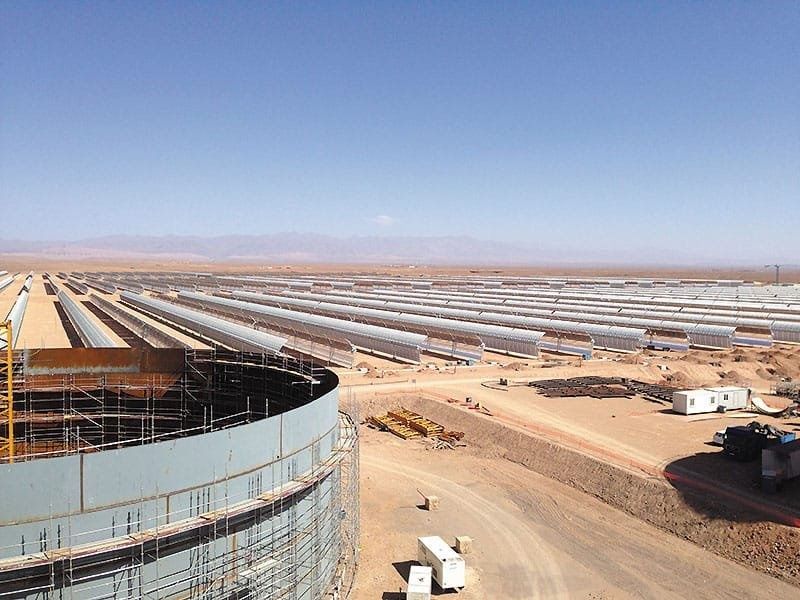
At the edge of the Mediterranean Sea, the efforts to move towards more sustainable energies are also felt, with one of the largest solar plants in the world, that of Noor in Uarzazate.

One of the objectives of this solar power plant is the energy transition, exemplifying the path open to Africa, which places the hope in having a new source of income that drives the development of the most impoverished continent.

This is a very ambitious renewable energy plan, since Morocco is located in a continent that seeks to reduce its energy dependence and at the same time, sees in the exploitation of energy to the developed countries an option that takes off from the Magred (northern region of the continent African) to the Middle East and from there to Sub-Saharan Africa based on this Solar Power Plant.


Morocco hopes that by 2030, half of the country's energy consumption by 52% will come from clean energy.

To achieve these objectives, much depends on the sun, air and water, part of them have already been incorporated thanks to the installation of the Uarzazate thermo solar plant, a desert door that is a cradle of adaptation of energy from the sun, which shines in this place for 330 days a year. Producing for three hours once the sun goes down, with its storage of energy in reserves with molten salts based on sodium and potassium nitrates.

The solar plant will continue to grow once Noor II and Noor III are completed, which are the two phases that are underway with an investment of 1,800 million euros. The authorities estimate that after they finish construction of the plant in 2020 approximately, it will provide up to 2000 megawatts (unit of measurement of electrical energy).

The impulse of the Moroccan government to clean energy is spread throughout Africa, with plants under construction in the Middle East and in South Africa, as well as in Rwanda, Uganda or Ghana; countries that can find in the sun an alternative for the supply, to produce energy for the exterior and, with it, to find a new income channel for the continent.

British Petroleum Claims


The Deepwater Horizon disaster, in April 20, 2010, is the worst maritime spill in U.S. history.
It happened when an explosion sank the platform leased by oil giant BP in the Gulf of Mexico.

Although not recognizes its responsibility, British Petroleum (BP) reached a settlement of 7.800 million dollars with private plaintiffs.
The settlement will benefit thousands of people affected by the spill.

To know if you are included in the settlement is recommended to read carefully the following information.

Recycling paper


HOW TO RECYCLE PAPER
(Yield: 4 sheets legal size)

Preparation time: 20 minutes approx.

Ingredients:
  • 20 sheets of paper, approximately letter size (you can use any type of paper)
  • 2 cups of clean water
  • 2/3 cup of white latex paint (or other)


Utensils:
  • scissors
  • plastic container with a capacity of 2 liters
  • paddle or wooden spoon or plastic
  • blender
  • metal frame 30 x 40 cm, can develop with one or more steel hooks
  • 1 half pan, frame size and depth between 5 and 10 cm


Preparation:
  1. Using scissors cut the paper into small pieces and allowed to soak into thecontainer with water for 10 minutes, stirring constantly with the help ofthe spoon.
  2. Once you have been well soaked, place in blender and blend at lowspeed, gradually add the latex paint to form a homogeneous mixture.
  3. The mixture is poured into the container and is reserved for later use.
  4. To form the frame, take the steel hook and a rectangle (using thetweezers), approximately 25 x 40 cm and the average is placed, opening and inserting in it theframe.
  5. The frame is placed over the tray and the mixture is poured over and cover the frame is removedcarefully and dried in the sun on two poles, so as to aerate on both sides.
  6. Once dry, the sheet follows carefully.
  7. The mixture is poured from the tray and empty the container and placed back on the racktray, repeat step 5 to complete the mix.


Interesting Fact:
The problem of soil contamination is somewhat different from air pollution andwater as municipal and industrial wastes remain in the same place where the depositedfor relatively long periods, this causes the increase of insects and rodents.

The recycled paper is used as an alternative to reduce wastage, which mayreuse the waste for a maximization of these.


Benefits:
By recycling your used paper help reduce the pollution caused by waste generation.
You can reuse as often as necessary leaves using this technique of recycling.
The resulting paper will have a resemblance to the bark paper.


How to use:
You can use this paper to make drawings with watercolor, crayons, oil paints or other.

To make crafts such as boxes, photo books, cards, envelopes, tablecloths, pastesnotebook and books that you can decorate with dried flowers and seeds. 

Recommendations:
For a more leaves increase the amounts of ingredients as often aswant.

You can make more than two racks to make multiple sheets at a time.

Happy Monday with Pictures


Is there any better way to start a week than to show off the pictures I recently received from my friend Andy Padian at the green consulting firm Steven Winter Associates ? I think not.

Last week he sent me a number of cool infrared thermography photos of common electronic objects, showing the heat they generate (and energy they waste) even when they are off. He also sent some interesting photos showing the energy wasted through poorly insulated windows and walls.


The photo above right is of an average electric razor charger, showing the energy wasted even when the razor is not attached. This photo came at a perfect time, as im still struggling to figure out the comparative environmental impacts of shaving with disposable and electric razors.

Recycle medical plastic tubing


That seems to be a really useful thing - the kind of thing that would make a welcome addition to any toolbox. Some ideas of reuse that come to mind: the use of plants for the (gently) and tree stands, wrapped around (and probably glued in place) a management tool to provide some cushioning and I suspect that some intelligent people can use drip irrigation systems for greenhouses or the like.

Could be used to craft items in their own right too: I've seen people making jewelry line statement before, I've been watching the lights hanging recently and saw one of the loops from (although thicker) pipe , and I wonder if it is sufficiently flexible to be used for macramé or crochet / knitting - anyone seen projects that could use lengths of the tubes?

(A word of warning. Apparently, this type of tube will fade (yellow) over time when exposed to ultraviolet (sun) light)

Finally, it is worth that contains the medical supply company to see if he would take back for recycling - if people do, they might be forced to do something.

Recycling out of date contact lens


Due to silver, there are plenty of sites that collect old X-rays for recycling - but many were only prepared for a lot of things (and, indeed, only start paying for them for very large quantities) of hospitals and the like because the amount of silver in each film is negligible. Does anyone know of any companies or organizations that collect small amounts for recycling? Ideally, the different local authorities or by mail.

Other than that, I imagine it would be relatively easy to go from someone reuse for artistic or craft. (You may want to delete any personal identification marks the first.) There are a number for sale on eBay (in the collectibles or section of Science mostly), but if you want to get into that, you can give the waste locally on Freecycle or Gumtree / List of Craig 's.

Does anyone have any specific suggestions for things to do with them?